Your Trusted General Contractor for Premium Home Renovations
A reliable general contractor fulfills a critical function in home improvements. Their knowledge ensures projects are completed with accuracy and care. By focusing on quality materials and workmanship, they enhance both aesthetics and worth. Transparent communication and careful planning are vital for a smooth process. However, many property owners miss important considerations when choosing a builder. Recognizing what to prioritize can create all the difference in achieving a quality remodel. What should homeowners think about first?
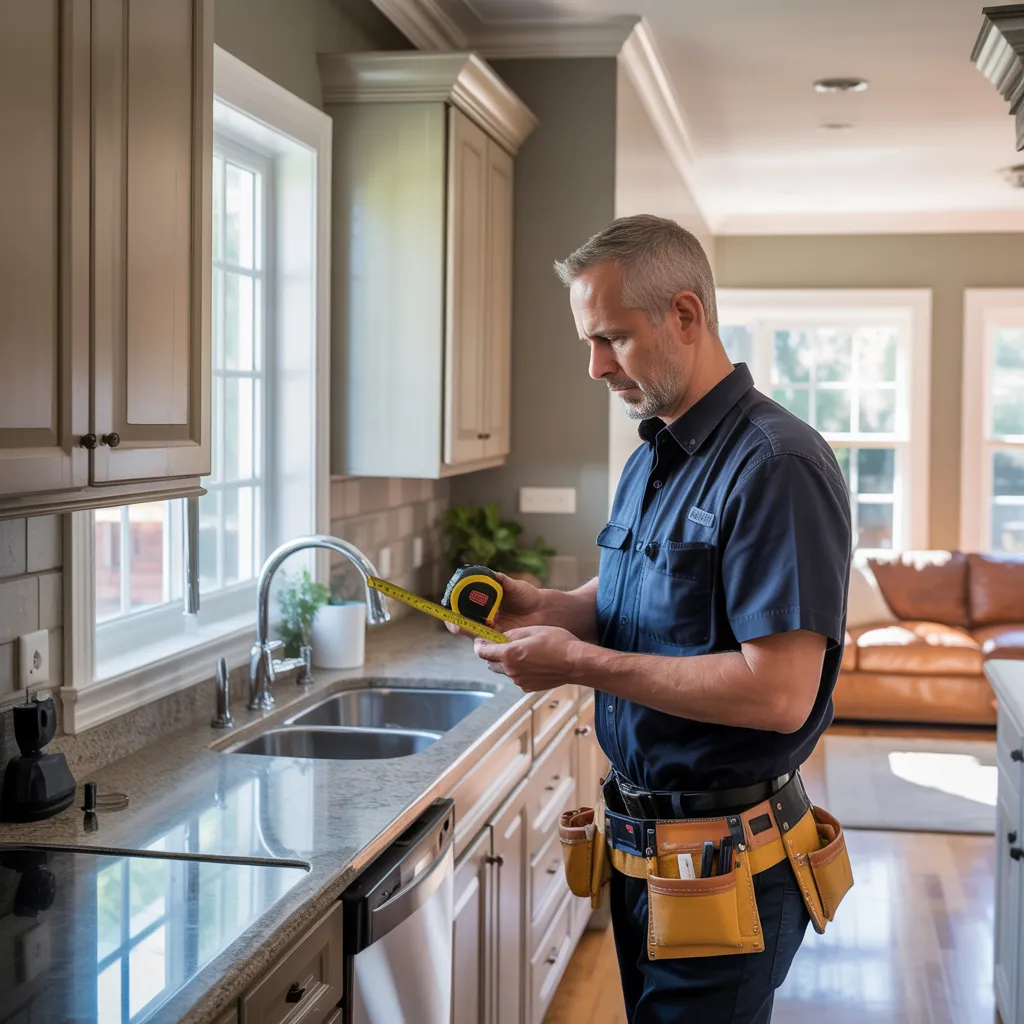
What to Look For in a Dependable General Contractor
When beginning a home renovation project, how can one guarantee they choose a trustworthy general contractor? First, people should obtain suggestions from friends, family members, or web-based reviews to identify prospective contractors. It is essential to verify qualifications, including permits and coverage, guaranteeing the contractor complies with local requirements. Next, examining past work through project galleries or client testimonials offers insights into the contractor's quality of work and dependability.
Moreover, procuring multiple estimates can assist in assessing reasonable rates and construction timelines. Interpersonal skills are also vital; a construction professional should be cordial and quick to answer to requests. In addition, a comprehensive written agreement detailing work scope, timelines, and payment schedules protects both stakeholders. Finally, go with your instincts; if a contractor appears lacking professionalism or noncommittal, it may point to potential problems. By adhering to these guidelines, residents can substantially improve their chances of engaging a dependable general contractor, producing successful home improvement work.
Why a Local General Contractor Is Your Best Choice
Opting for a local general contractor can greatly improve the achievement of home renovation endeavors. Local professionals possess invaluable understanding of the community, including construction codes, regulations, and zoning restrictions, ensuring adherence and productivity. Their well-established partnerships with suppliers and contractors can provide better rates and ready access to materials and experienced professionals.
Additionally, local contractors often have a reputation to copyright within the locale, motivating them to execute quality results. This sense of accountability establishes belief and reliance among occupants.
Moreover, being close facilitates easier communication and quicker response times, which can be essential during a project. Homeowners can additionally obtain referrals from residents or friends who have previously worked with the contractor, providing peace of mind. Overall, choosing a local general contractor not only support the community but also raises the overall quality and experience of home improvement undertakings.
Step-by-Step Guide to Your Home Improvement Process
Launching a home improvement project requires deliberate preparation and skilled execution. Setting a schedule of work is vital to make certain that duties are fulfilled promptly, while procuring quality products can profoundly shape the ultimate result. This resource will present these essential steps to help homeowners traverse their improvement endeavor with great success.
Plan Your Work Timeline
A well-organized project timeline is vital for achieving quality property improvements, ensuring that all phases are executed efficiently. To begin with, property owners should establish the project's parameters, outlining specific goals and intended outcomes. Following this, they should reach out to their general contractor to develop a realistic timeframe contingent on the project's complexity and mandatory tasks. Breaking the project into smaller phases allows for superior tracking and adjustments as needed. It is also vital to anticipate potential delays, such as weather conditions or logistics challenges, which may impact the schedule. Regular check-ins with the contractor can help the project on track. Ultimately, a clear timeline fosters communication and sets expectations, culminating in a smoother home improvement journey.
Finding Superior Materials
Selecting superior materials significantly impacts the result of residential renovation undertakings. To start, house owners should pinpoint the distinct needs of their undertaking, considering aspects such as strength, appearance, and budget. examining various substance alternatives is essential; this encompasses learning about the pros and cons of each. meeting with practitioners can give beneficial guidance into reliable labels and distributors.
Next, homeowners should request material samples to assess the look and feel of materials in person. Comparing prices across different suppliers can help guarantee affordable rates without sacrificing quality. Finally, verifying that materials comply with local building codes is essential for safety discover here and compliance. By thoughtfully selecting materials, property owners can enhance both the lifespan and visual appeal of their renovations, ultimately adding value to their property.
Showcase Your Vision Like a Pro
Successful home improvements often rely on the ability to convey a clear vision. Homeowners should articulate their ideas, tastes, and requirements, ensuring that they convey their desires effectively to their general contractor. A well-defined vision not only helps in aligning the contractor's plans with the homeowner's goals but also streamlines the decision-making process.
Visual aids, such as sketches or mood boards, can significantly improve communication. They deliver a concrete guide that illustrates style, color schemes, and layout preferences. Additionally, maintaining transparent conversation encourages partnership, allowing the contractor to ask clarifying questions and provide insights.
Setting realistic schedules and budgets is equally important. Residents should be prepared to discuss constraints in an open manner to prevent misunderstandings in the future. At the end of the day, communicating a objective with clarity and confidence strengthens both stakeholders, establishing the groundwork for successful project delivery and satisfying results in home renovation projects.
The Importance of Quality Components and Artisanship
Regarding home improvements, the picking of long-lasting materials profoundly influences the lifespan and usefulness of a project. Equally important is the part of professional expertise, which guarantees that these materials are applied effectively. In combination, high-quality materials and expert workmanship deliver output that stand the test of time.
Durable Material Selection
A thoughtfully chosen variety of resilient materials can significantly impact the longevity and visual appeal of home improvements. Premium materials not only enhance the appearance of a space but also guarantee that renovations withstand the test of time. Homeowners should focus on materials with established durability, such as hardwood, stone, and high-grade metals, which protect against wear and tear and environmental damage. Additionally, selecting materials suited to the local climate can avoid issues like rot or corrosion. Investing in long-lasting options may demand a higher upfront cost, but the long-term benefits—fewer repairs and replacements—make it a wise choice. In the end, the right materials contribute to a home's value and overall satisfaction for years to come.
Skilled Handiwork: How It Matters
Quality artistry functions as an critical factor in the accomplishment of home improvements, reinforcing the acquisition of resilient materials. Proficient craftspeople assure that every element of a project is rendered with exactitude, strengthening both usability and visual appeal. Thorough attention in construction, from framing to finishing touches, markedly adds to the resilience and performance of home features. Quality workmanship not only demonstrates a commitment to excellence but also protects against future complications, such as structural defects or aesthetic shortcomings. Additionally, veteran contractors understand the complexities of various materials, making sure they are implemented effectively. Ultimately, allocating resources to skilled execution results in a more enjoyable and persistent outcome, boosting the overall value of the home and the homeowner's fulfillment.
Standard Remodeling Blunders and Approaches for Preventing Them
Many homeowners encounter pitfalls during remodeling that can result in expensive setbacks and disappointment. One frequent error is underestimating the budget. Without a detailed financial plan, unexpected expenses can quickly arise, jeopardizing the project. Additionally, failing to secure necessary permits can result in fines and work stoppages, hindering the remodeling effort.
A frequent mistake involves rushing the process of making decisions. Quick decisions about design and layout can result in regrets later on. Homeowners frequently neglect the importance of hiring qualified professionals, which can undermine the workmanship and safety requirements.
At last, poor communication with contractors can cause confusion and unfulfilled expectations. To avoid these pitfalls, homeowners should prioritize thorough preparation, secure the necessary permits, select seasoned professionals, and preserve transparent communication throughout the remodeling period. By tackling these standard mistakes, homeowners can guarantee a more efficient and more enjoyable renovation experience.
What Materials Should You Choose for Your Remodel?
How can property owners guarantee they select the right products for their renovation projects? First, they should assess the particular requirements of the space, considering factors such as functionality, appearance, and longevity. Exploring various materials is crucial; homeowners should compare choices based on their suitability for the intended use and local climate conditions.
Working with a reputable general contractor can supply useful recommendations about material selections, guaranteeing that picks correspond with both cost parameters and style vision. Furthermore, house owners should highlight environmental consciousness by researching green materials that lessen ecological consequences.
At last, reviewing samples can facilitate informed determinations, letting homeowners to visualize how materials will appear and feel in their setting. By following these steps, homeowners can securely opt for materials that improve their renovation while ensuring quality and longevity.
Regularly Inquired Matters
What's the Best Way to Validate a Contractor's Permits and Protection?
To check a contractor's qualifications and protection, one can consult state regulatory authorities and insurance providers. Furthermore, requesting copies of licenses and insurance certificates directly from the contractor asserts genuineness and observance of regulations.
What Duration Should You Budget for Common Residential Renovation Ventures?
The expected timeframe for home improvement work fluctuates, regularly extending from a few weeks to several months, determined by project complexity, size, and required permits. Engaging in communication with the contractor can help you develop a more accurate schedule.
Can I dwell in My Home During Renovations?
Yes, one is able to inhabit a home during renovation projects, though it often depends on the extent of work. Smaller-scale renovations may support ongoing occupancy, while major renovation efforts might call for temporary displacement for safety and comfort.
Which Payment Solutions Do Contractors Most Often Prefer?
Contractors commonly welcome a diverse range of payment approaches, encompassing cash, checks, credit cards, and digital payment platforms. Some may also extend financing options, permitting clients flexibility in managing renovation costs and payment schedules.
How Do I Manage Disagreements With My Building Professional?
To handle contractor conflicts, one should communicate with clarity, document all interactions, and pursue settlement via discussion. If unresolved, mediation or legal action may be necessary to protect one's interests effectively.